





Three Friends, One Entrepreneurial Vision
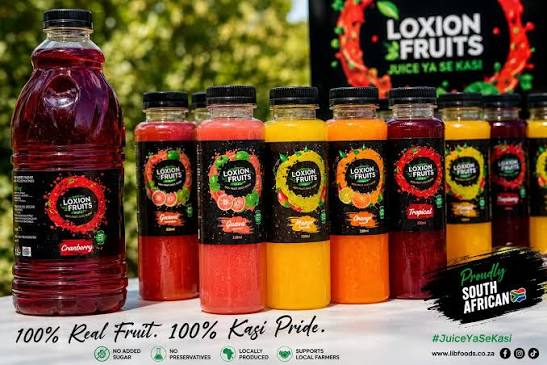
In Dobsonville, Gauteng, three entrepreneurs have turned their passion for business into a growing venture in South Africa’s beverage industry.
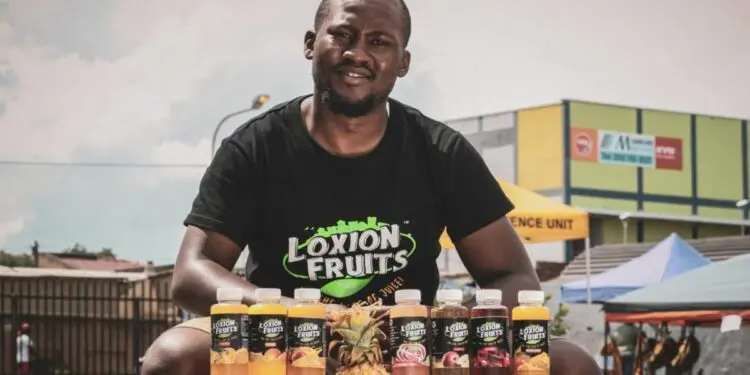
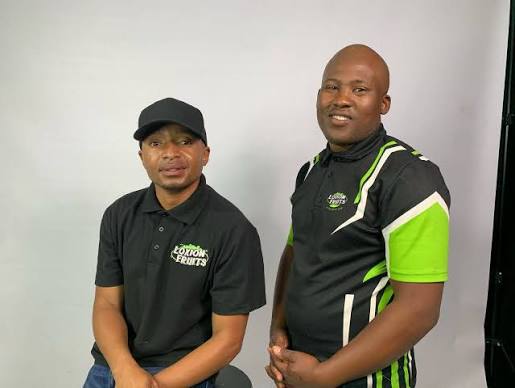
Patrick Thokkie, Lungelo Mgaga, and Thabo Twala are behind Lifeway Imphatho Brands (LIB Foods), the 100% Black-owned company that operates Loxion Fruit Beverages.
The business began in 2019 whenhokkie and Mgaga started a juice-making venture, with Twala later joining the team. Together, they have worked to establish a locally based juice production business and build a customer base for their products.
From an Early Setback to a New Opportunity
The founders’ entrepreneurial journey did not begin with Loxion Fruit Beverages.
Before entering the beverage industry, Thokkie and Mgaga attempted to establish a retail service merchandising business. Although that venture did not succeed, the experience did not end their entrepreneurial ambitions.
Years later, Mgaga gained valuable experience working in beverage production at a leading South African dairy company.
That experience contributed to the founders’ decision to enter the food and beverage manufacturing sector, where they saw an opportunity to turn their ideas into a business.
Starting With Just R800
One of the most notable parts of the Loxion Fruit Beverages story is the scale at which the business began.
According to Thokkie, the company’s juice production journey started in 2019 with a budget of just R800, operating from a small kitchen in Lenasia.
From those modest beginnings, the business gradually attracted more customers and gained exposure through local brand events.
As demand increased, the company expanded its workforce from two employees to five.
The journey demonstrates how small businesses can develop incrementally, starting with limited resources and building capacity as opportunities emerge.
Growing Into the Market
As Loxion Fruit Beverages developed, one of its major milestones was expanding its retail distribution.
The company reported supplying more than 13 stores, including two independent Spar stores, Meat Express outlets, a Watloo butchery, and other stores in its pipeline.
For a small manufacturing business, gaining access to retail outlets is an important part of building a sustainable market presence.
It also requires businesses to develop the production, packaging, branding, logistics, and distribution capabilities needed to serve customers consistently.
The Challenges of Building a Beverage Business
The founders’ journey has also involved several challenges.
According to Thokkie, these included access to markets, start-up capital, product branding, packaging, marketing, manufacturing capacity, machinery, and transportation.
These challenges highlight some of the practical barriers that entrepreneurs can face when moving from an idea to a functioning manufacturing business.
Producing a beverage involves considerably more than creating the product itself. Businesses must also consider how products will be packaged, marketed, transported, and ultimately placed in front of consumers.
Support From Government Agencies
Government support has played a role in Loxion Fruit Beverages’ development.
The company received financial and non-financial assistance through organisations including the National Youth Development Agency (NYDA), Gauteng Enterprise Propeller (GEP), and Small Enterprise Finance Agency (sefa).
According to the company, this support included grants, processing equipment, branding materials, and office equipment such as computers.
Access to this type of assistance can be particularly significant for growing businesses that need to increase their production capacity and strengthen their operational infrastructure.
Local Manufacturing and Entrepreneurship
Loxion Fruit Beverages is an example of how entrepreneurship can contribute to local manufacturing.
Rather than simply distributing products manufactured elsewhere, the company is involved in juice production, creating a business around food processing and beverage manufacturing.
Its story also demonstrates the importance of combining entrepreneurial drive with practical business experience.
The founders’ experiences, challenges, partnerships, and access to support have all contributed to the company’s development.
Building a Future in the Beverage Industry
Starting from a small kitchen operation with limited capital, Loxion Fruit Beverages has progressed towards a growing retail presence in Gauteng.
The company’s journey from an R800 beginning to supplying more than 13 stores reflects the gradual process involved in building a small manufacturing business.
With its foundations in Dobsonville and its focus on beverage production, the company represents the potential of locally owned businesses to participate in South Africa’s food and beverage industry.
An Entrepreneurial Journey Worth Watching
Loxion Fruit Beverages’ story is ultimately one of persistence, learning, and business development.
The founders experienced an early business setback, gained industry experience, identified an opportunity in beverage manufacturing, and started their juice operation with limited resources.
Through customer growth, retail opportunities, employment expansion, and support from enterprise-development agencies, the business has continued to develop.
For DSA, Loxion Fruit Beverages provides an example of the entrepreneurial journeys taking place within South Africa’s local business communities—and how small beginnings can develop into growing enterprises.
Key Highlights
Company: Lifeway Imphatho Brands (LIB Foods)
Brand: Loxion Fruit Beverages
Industry: Food & Beverage Manufacturing
Ownership: 100% Black-owned
Founders: Patrick Thokkie, Lungelo Mgaga & Thabo Twala
Established: 2019
Origin: Lenasia, Gauteng
Current Base: Dobsonville, Gauteng
Starting Capital: R800
Reported Retail Reach: More than 13 stores
Support Received: NYDA • GEP • sefa
Key Themes: Entrepreneurship • Local Manufacturing • Youth Development • Business Growth • Enterprise Support.